

30.10.2024

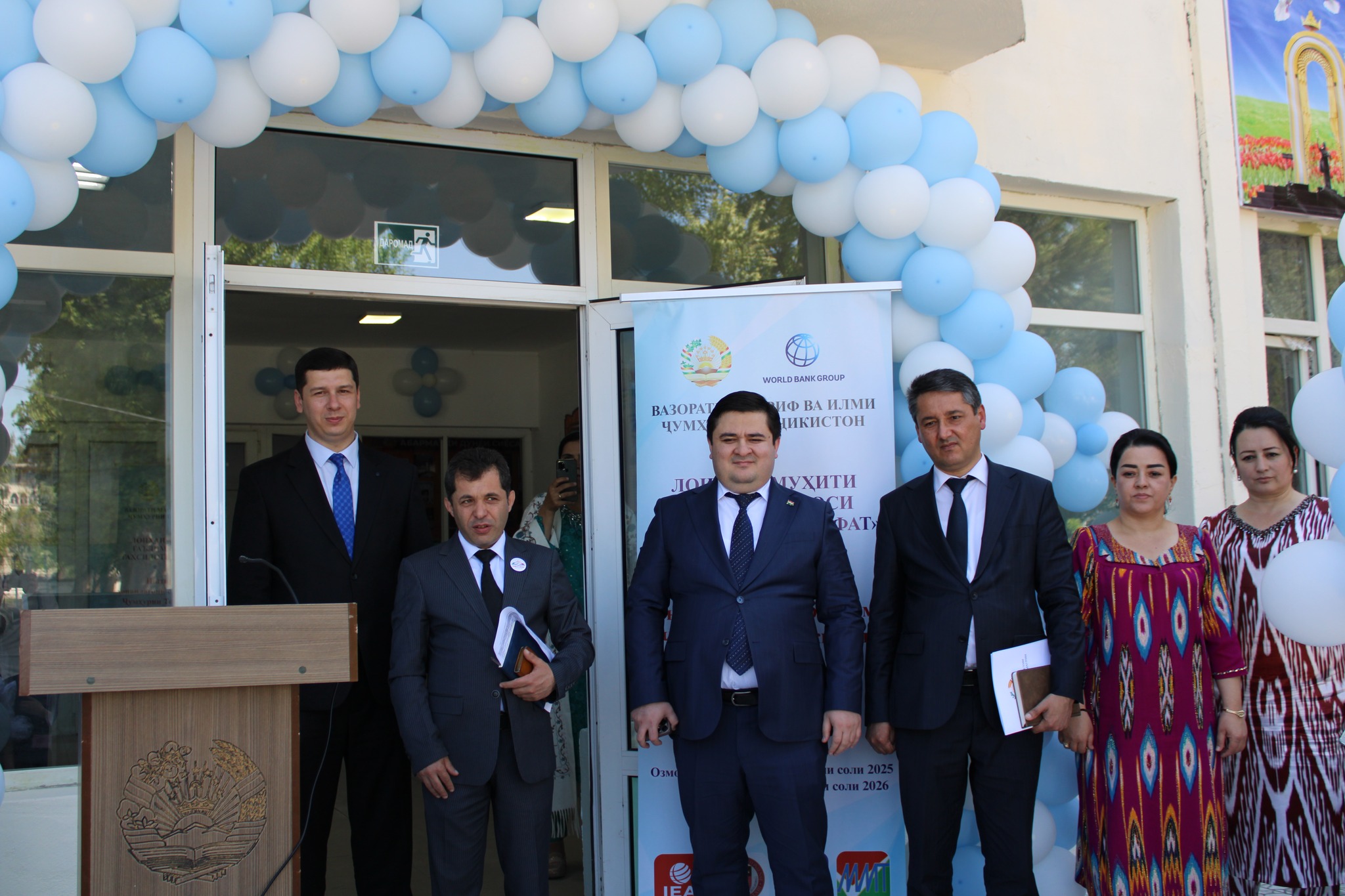
30 октябри соли 2024 дар шаҳри Ваҳдат бинои нави Муассисаи таҳсилоти миёнаи умумии №61 ба истифода дода шуд.
Бинои нави таълимӣ аз 2 ошёна иборат буда, бо ҷонибдорӣ аз сиёсати маорифпарваронаи Ҳукумати Ҷумҳурии Тоҷикистон ба истиқболи Ҷашни 35-солагии Истиқлоли давлатии Ҷумҳурии Тоҷикистон сохта ба истифода дода шуд.
Дар муассисаи тозабунёд 480 нафар хонанда дар ду баст ба таҳсил фаро гирифта шуда, даргоҳи нави маърифат дорои 16 синфхонаи барҳаво, ҳуҷраи назорати камеравӣ ва бо дастгоҳу аёниятҳои таълимӣ муҷаҳҳаз гардонида шудааст.
Бо ифтитоҳи бинои нави таълимӣ шумораи синфхонаҳои муассисаи таълимии мазкур ба 35 адад расида, мушкилоти норасоии ҷойи нишаст аз байн рафт.


Other news
-
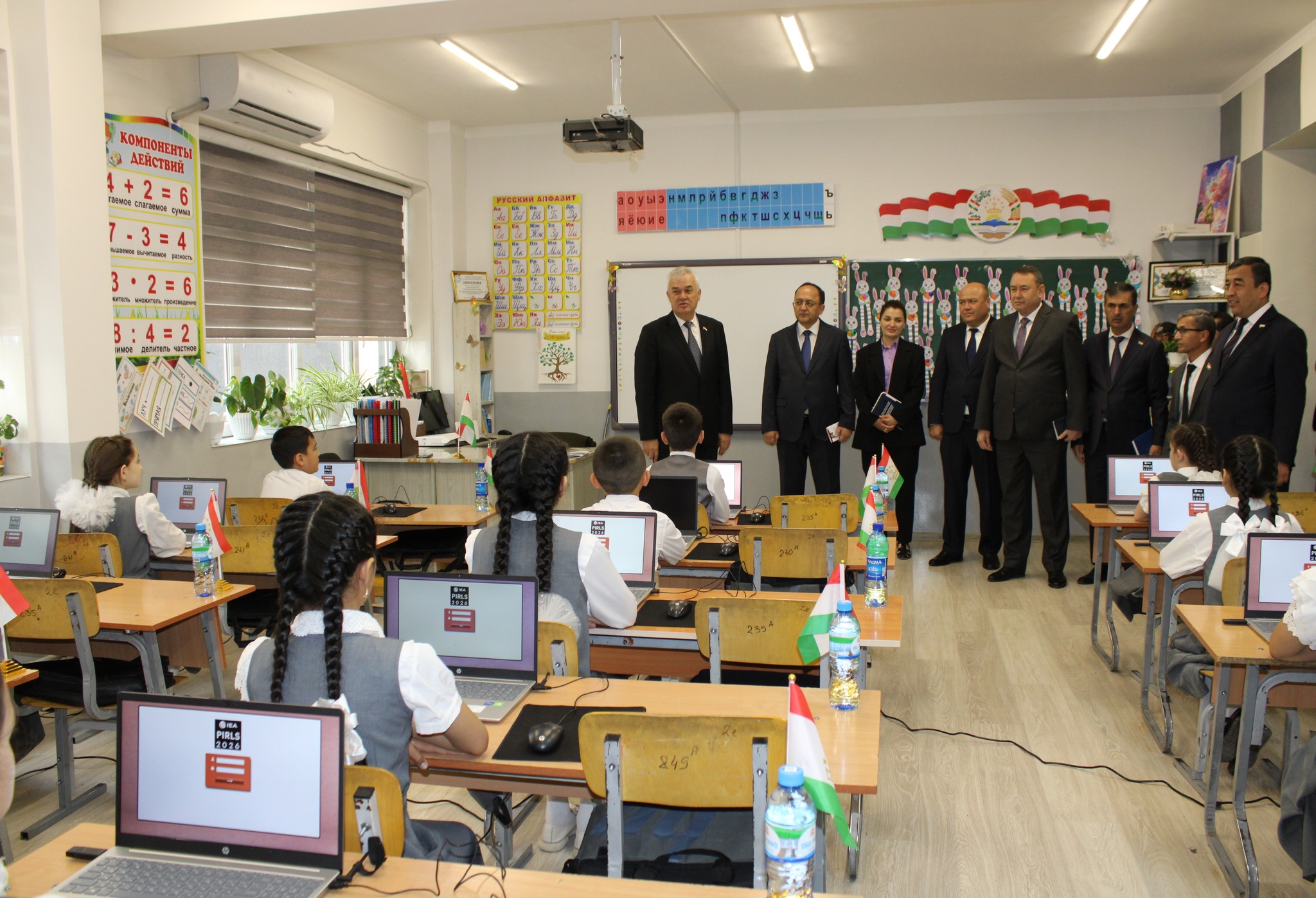
VISIT OF THE MINISTER OF EDUCATION AND SCIENCE DURING THE IMPLEMENTATION OF THE PIRLS – 2026 INTERNATIONAL ASSESSMENT With the continuous support and attention of the Founder of Peace and National Unity – Leader of the Nation, President of the Republic of Tajikistan Emomali Rahmon, important and timely measures are being implemented to develop the fields of education and science in the Republic of Tajikistan and to align the education system with international standards. One of such significant initiatives is the country’s participation in international assessments, including PIRLS – 2026. As part of the main phase of the PIRLS – 2026 international assessment among 4th-grade students, which is scheduled from April 14 to May 6 of the current year in 171 general education institutions across 52 cities and districts of the republic, today, April 17, 2026, the Minister of Education and Science of the Republic of Tajikistan Rahim Saidzoda, Deputy Minister B. Muzaffarzoda, Director of the National Testing Center under the President of the Republic of Tajikistan S. Jafarzoda, Head of the Main Department of Education of Dushanbe, representatives of the project “Learning Environment – the Foundation of Quality Education,” and other responsible officials participated in the event at the State Educational Institution “Lyceum No. 4 for Gifted Students of Dushanbe.” The implementation of PIRLS – 2026 within the framework of the project “Learning Environment – the Foundation of Quality Education” has been effectively organized and aims to create favorable learning conditions, improve the educational environment, and increase students’ access to educational resources. In this regard, the use of modern teaching methods, information technologies, and the development of students’ critical thinking skills are also being strengthened. It was noted that the results of PIRLS – 2026 will provide an important basis for determining the actual level of students’ literacy, improving educational programs, and shaping future policy in the sector. At the same time, this process will enable the Republic of Tajikistan to determine its position in comparison with other countries and to introduce best practices into the national education system. Overall, active participation in international assessments and the implementation of innovative projects are regarded as evidence of the continuous attention of the country’s leadership and Government to the sustainable development of the education sector and the improvement of education quality in the Republic of Tajikistan.
147
17.04.2026 -
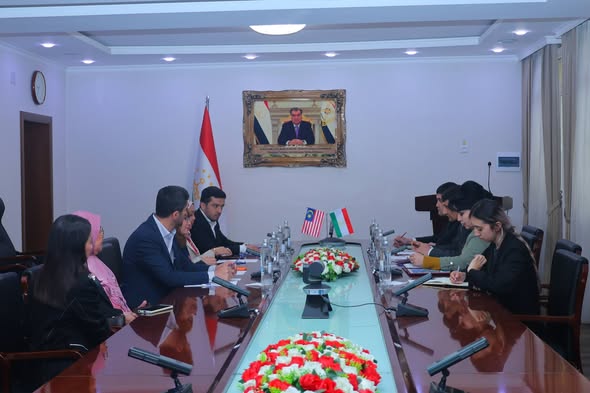
MEETING WITH REPRESENTATIVES OF CITY UNIVERSITY MALAYSIA On April 16, 2026, a meeting was held at the Ministry of Education and Science of the Republic of Tajikistan between the Deputy Minister of Education and Science, Lutfia Abdulkhaliqzoda, and representatives of City University Malaysia. The meeting was also attended by the Deputy Director of the State Institution “Center for International Programs” T. Bahriddin and a representative of the Ministry’s Department of International Relations. The Deputy Minister warmly welcomed the guests to Tajikistan and emphasized that cooperation in the field of education and science between the Republic of Tajikistan and Malaysia is founded on a solid legal framework and a positive record of collaboration. It was noted that this process began with the signing of a Memorandum of Understanding between the two governments in 2014, after which cooperation expanded with several leading Malaysian universities. It was highlighted that currently, Tajik students are studying at higher education institutions in Malaysia, while Tajik lecturers and researchers actively participate in various international programs, seminars, conferences, and professional development courses. During the meeting, the parties discussed the expansion of bilateral cooperation in higher education, the implementation of joint educational programs, academic exchanges of students and faculty, and the realization of joint projects in priority areas such as artificial intelligence, information technology, and tourism. It was also proposed to organize language courses, professional training programs, and study visits to learn from Malaysia’s advanced educational experience for teachers and education sector employees, aimed at enhancing their professional qualifications. The Deputy Minister also recalled the university’s active participation in the 3rd International Festival-Exhibition of Foreign Universities held in the Republic of Tajikistan in 2026, describing it as an important foundation for strengthening future collaboration. In turn, the representatives of the university expressed their readiness to expand productive cooperation with higher education institutions of the Republic of Tajikistan, implement joint programs, and enhance academic exchange.
66
16.04.2026 -
THE MAIN PHASE OF THE INTERNATIONAL PIRLS–2026 ASSESSMENT HAS STARTED Within the framework of implementing the National Education Development Strategy of the Republic of Tajikistan until 2030 and the Action Plan of the National Education Quality Assessment Strategy until 2044, the main phase of the international PIRLS–2026 assessment has commenced at Secondary School No. 5 in Firdavsi district of Dushanbe for the period of 2025–2027. The event was attended by Deputy Minister of Education and Science of the Republic of Tajikistan Ravshan Karimzoda, First Deputy Director of the National Testing Center under the President of the Republic of Tajikistan Abdulbosit Shodinyo, Head of the Education Department of Firdavsi district, representatives of the project “Learning Environment - the Basis of Quality Education,” and other responsible officials. The PIRLS–2026 international assessment is being conducted from April 14 to May 6 of the current year in 171 general education institutions across 52 cities and districts of the country, involving more than 6,940 fourth-grade students. The main objective of PIRLS-2026 is to assess reading literacy and the level of comprehension among fourth-grade students. The assessment allows for an objective evaluation of students’ ability to analyze, draw conclusions, and apply the information they read. It also helps determine students’ readiness for further education and supports the development of critical thinking skills. The results obtained will provide a basis for comparing the national education system with international standards and determining its position globally. In addition, the assessment contributes to improving curricula, enhancing the quality of textbooks, and strengthening teachers’ professional competencies. Overall, PIRLS–2026 serves as an important analytical tool aimed at improving the quality of education and ensuring the sustainable development of the education sector.
43
15.04.2026


